ipRoute
-
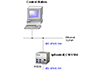
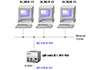
ipRoute enables fast and cost-efficient coupling of control stations and RTUs using the IEC 60870-5-101 and IEC 60870-5-104 communication standards, profiting from the fact that these protocols are highly compatible at the application level.
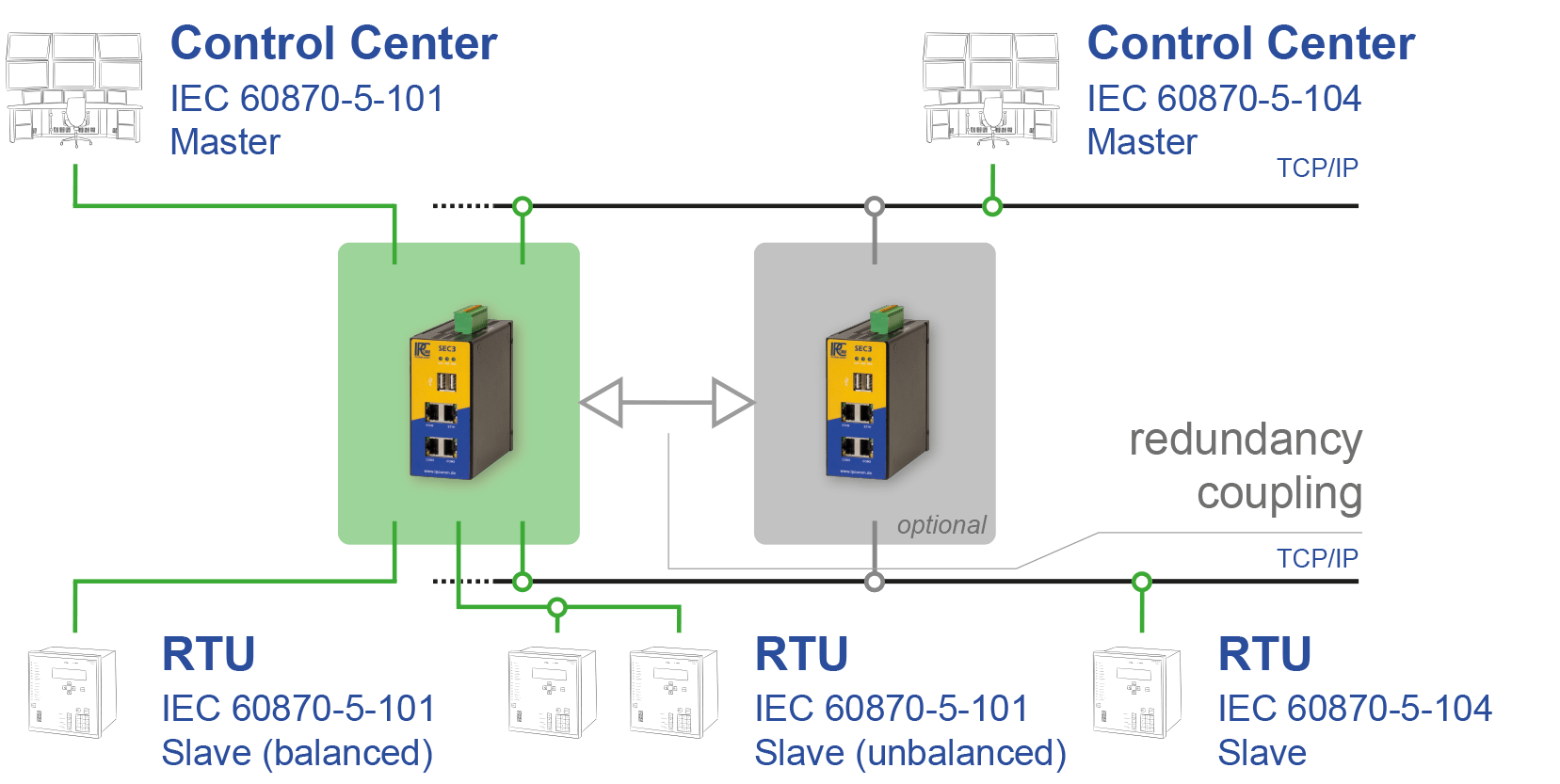
Please go to ipRoute Use Cases for examples of the various applications of ipRoute.
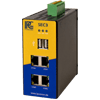
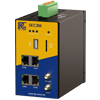
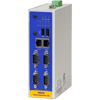
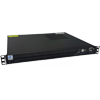
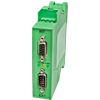
ipRoute is available in conjunction with the hardware models SEC3 and MEC2. For wireless communication, the 4G LTE cellular model SEC3M is offered.
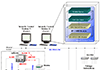
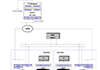
ipRoute is a router-based system. The ASDU (Application Service Data Unit) data packet exchange between the communication components is transparent. The IEC 60870-5-101 link layer functions and the IEC 60870-5-104 transport layer functions are however directly executed by ipRoute, as shown in the diagram below.
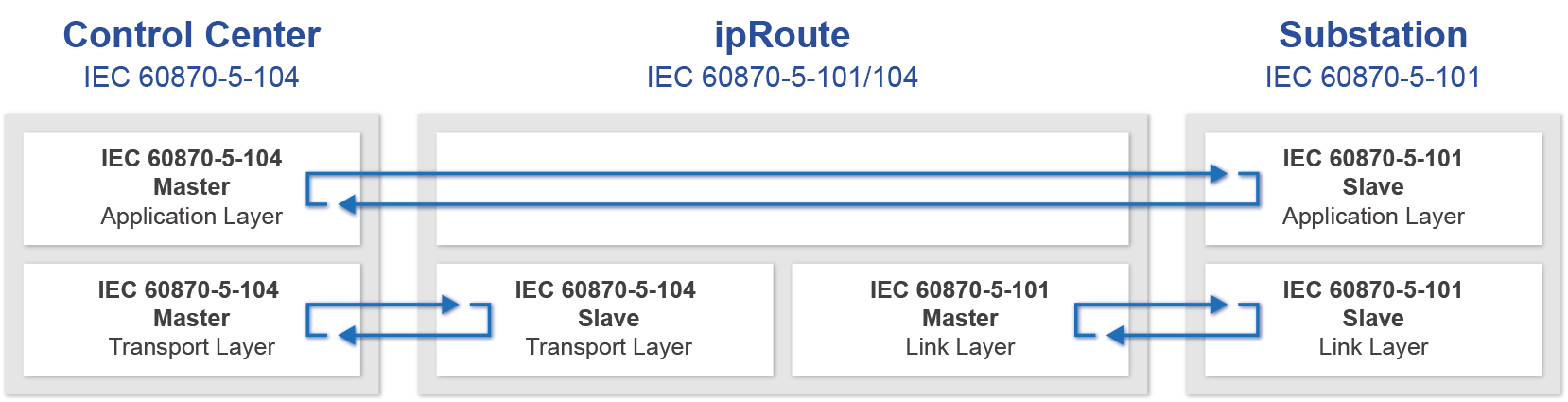
The data packets sent by a control station are switched through to either all or only a specified substation depending on the configuration. Conversely, the data packets received by a substation are transmitted to all or specified control stations.
The decision where to transmit a packet is made by using the corresponding common address of ASDU.
This transparent operation of ipRoute makes system integration fast and simple. System configuration is reduced to a few parameters such as the baud rate or information object address length. Configuration of the individual information objects is not required.
-
ipRoute supports nearly all the link and transport layer functions defined by
the IEC 60870-5-101 and IEC 60870-5-104 protocols. It also allows dial-up connections to
substations.
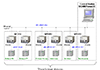
The various protocols can be combined as required, enabling even complex network to be implemented.
Uplink IEC101Balanced
IEC 870-5-101 balanced, slaveFor connecting control stations via a conventional serial leased line. The "balanced" transport procedure is used. Several V.24 interfaces for connecting a DCE (Data Communication Equipment) are provided. IEC101UnbalSlave
IEC 870-5-101 unbalanced, slaveFor connecting control stations via a conventional serial leased line, using the "unbalanced" mode on the transport layer. Several V.24 interfaces for connecting a DCE are provided. IEC104Server
IEC 870-5-104 serverFor connecting one or more IEC 870-5-104 control stations via Ethernet TCP/IP. Data can be fed to the control connection lines individually (1 of n) or simultaneously to all. ipRoute supports the configuration of several IP addresses and different port settings. The physical link is implemented with a 100BaseT port. Downlink IEC101Balanced
IEC 870-5-101 balanced, masterFor connecting substations via a conventional serial leased line using balanced transmission mode. IEC101UnbalMaster
IEC 870-5-101 unbalanced, slaveFor connecting substations via conventional serial leased line using the unbalanced transmission mode. Supports the simultaneous connection of several substations. IEC101DialupMaster
IEC 870-5-101, dialup, masterFor connecting substations via dialup lines. Although not supported by the IEC 870-5-101 standard, this communication mode is gaining in popularity. The protocol can manage several dialup modems and several dialup slaves. The transmission mode can either be balanced or unbalanced. IEC104Client
IEC 870-5-104, clientFor connecting IEC 870-5-104 based substations via TCP/IP. It supports both the connection of redundant devices and redundant communication lines.
-
ipRoute is a very powerful tool offering a complete range of functionalities that support its integration in specialized environments.
Transparent ASDU
transmissionipRoute transmits ASDUs transparently without interpreting them. This enables ASDUs from the private part of the standard to be exchanged, without the necessity of prior configuration. Configuration of different
address lengthsThe lengths of the common ASDU (CA = Common Address of ASDU), the cause of transmission and the information object address (IOA) can be configured differently and may not be the same. Conversion between
IEC 104 and IEC 101
ASDU typesipRoute supports conversion between monitoring direction ASDU types with long time stamp (M_SP_TB_1, M_DP_TB_1, etc.) and ASDU types with short time stamp (M_SP_TA_1, M_DP_TA_1, etc.) and vice versa. It also supports conversion between control direction ASDU types with long time stamp (C_SC_TA_1, C_DC_TA_1, etc.) and ASDU types without timestamp (C_SC_NA_1, C_DC_NA_1, etc.) and vice versa. Additionally an individual size of originator address can be specified for each communication module. By means of this functionality the most of the differences between IEC 60870-5-104 and IEC 60870-5-101 devices can be eliminated. Intelligent data flow control
and bandwidth adjustmentipRoute offers intelligent data flow control to prevent unnecessary data buffering. Should the connection to the control station fail or the data flow be interrupted by the master, ipRoute automatically stops the data transmission to all downlink connections. This shifts buffering to the substation as much as possible.
If master connections are slower than slave connections, ipRoute data flow control automatically slows down the slave connections to prevent buffer overflow.
The ASDU TTL (time to live) monitoring which can be configured flexibly ensures that no data is needlessly transmitted to the master and - this is of particular importance with respect to commands - to the slave or substation.
Accurate monitoring of acknowledged ASDUs prevents loss of data units in case of temporary connection failures or communication interferences. Unacknowledged ASDUs are repeated after the next connection set-up, even if they had already been transmitted.ASDU filtering ipRoute allows ASDU filtering in control and monitoring directions based on the ASDU address (Common ASDU address). In control direction (downlink), ASDUs may either be sent to all or only to specified ASDU addresses. Broadcast ASDUs are dispatched to all connected devices. In monitoring direction, the ASDUs are generally sent to all superordinate systems. A filter may also be configured for each uplink connection, so that only certain ASDUs are passed on. General polls As the master does not directly register a substation connection failure, ipRoute allows the automatic triggering of a general poll to the substations after the next connection setup. Virtual RTU In addition, the slave connection status can be signaled to the master using a virtual RTU. In this case ipRoute behaves like a full IEC-101/104 slave. Clock sync ipRoute allows clock synchronization of substations. The ipRoute internal clock can be synchronized via NTP or IEC. Following its own synchronization, any connected substations are synchronized. Redundancy In order to meet higher data reliability requirements, ipRoute can be used with a second device and provide the necessary redundancy (see also ipRoute Use Cases for references). Redundancy coupling is either implemented via a serial connection or the Ethernet. Our proprietary channel switch CS can be used for connecting serial communication lines.
-
System configuration is executed completely in a web browser. No other special configuration tools are required, a normal notebook with a network interface card and web browser are all that is needed.
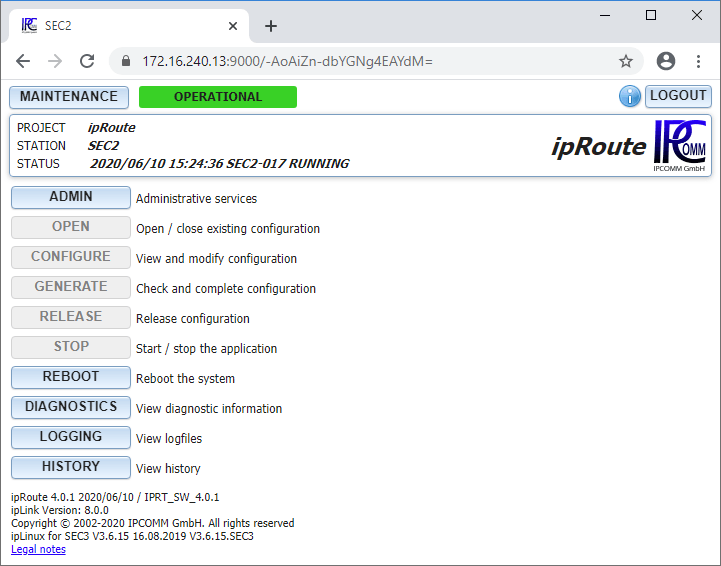
The main menu provides access to all the relevant ipRoute functions and shows the general system state at a glance. These functions are available:
- Backup and restore the complete configuration
- Software upgrade
- Edit configuration parameters
- Start up and stop the system
- Access diagnostic data (see also diagnostics)
- Access current log files (see also logging)
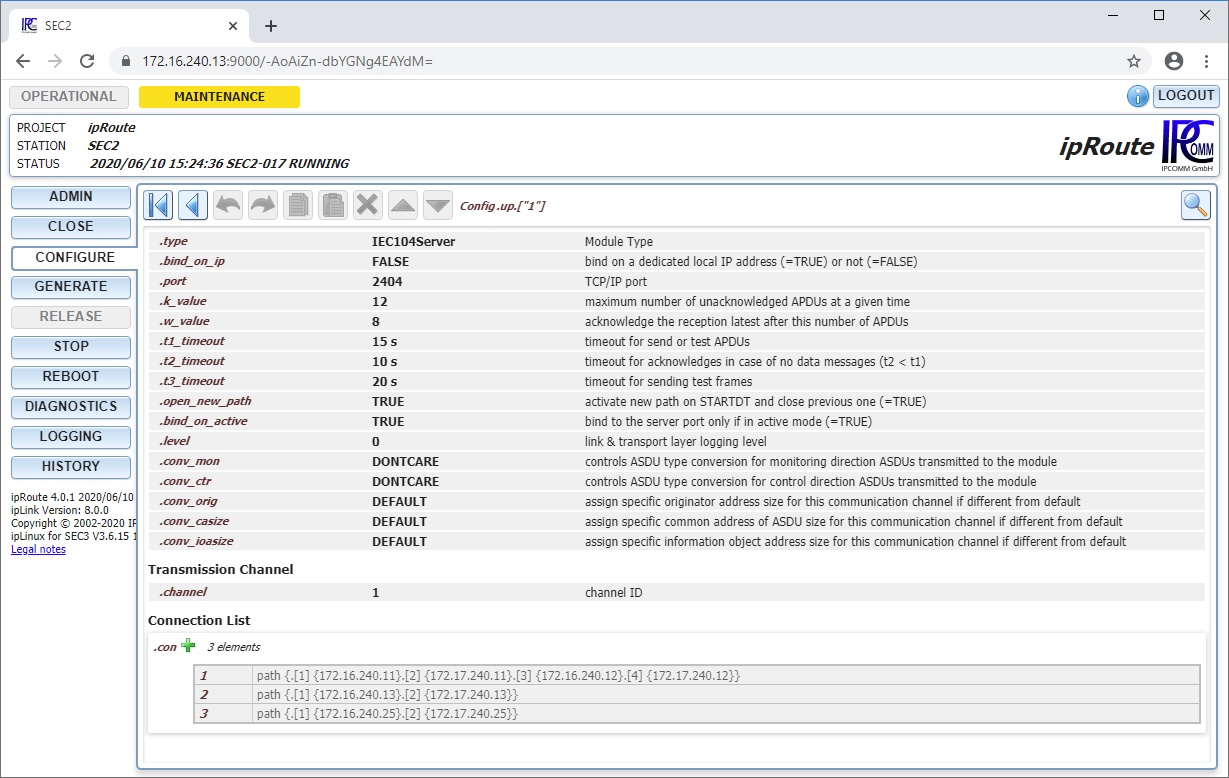
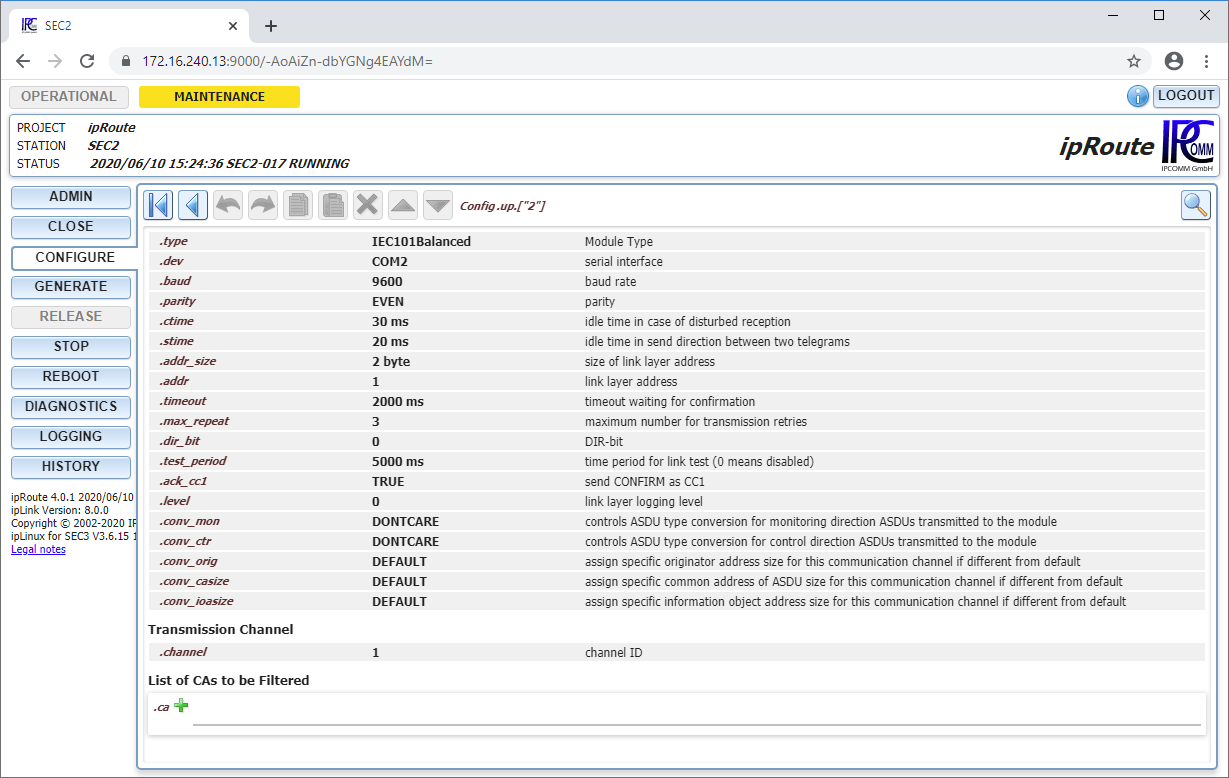
System configuration involves only a few parameters. In addition to some general system parameters, the link and transport modules need to be configured for each transmission direction.
As ipRoute simply switches through ASDUs, information objects need not be configured directly.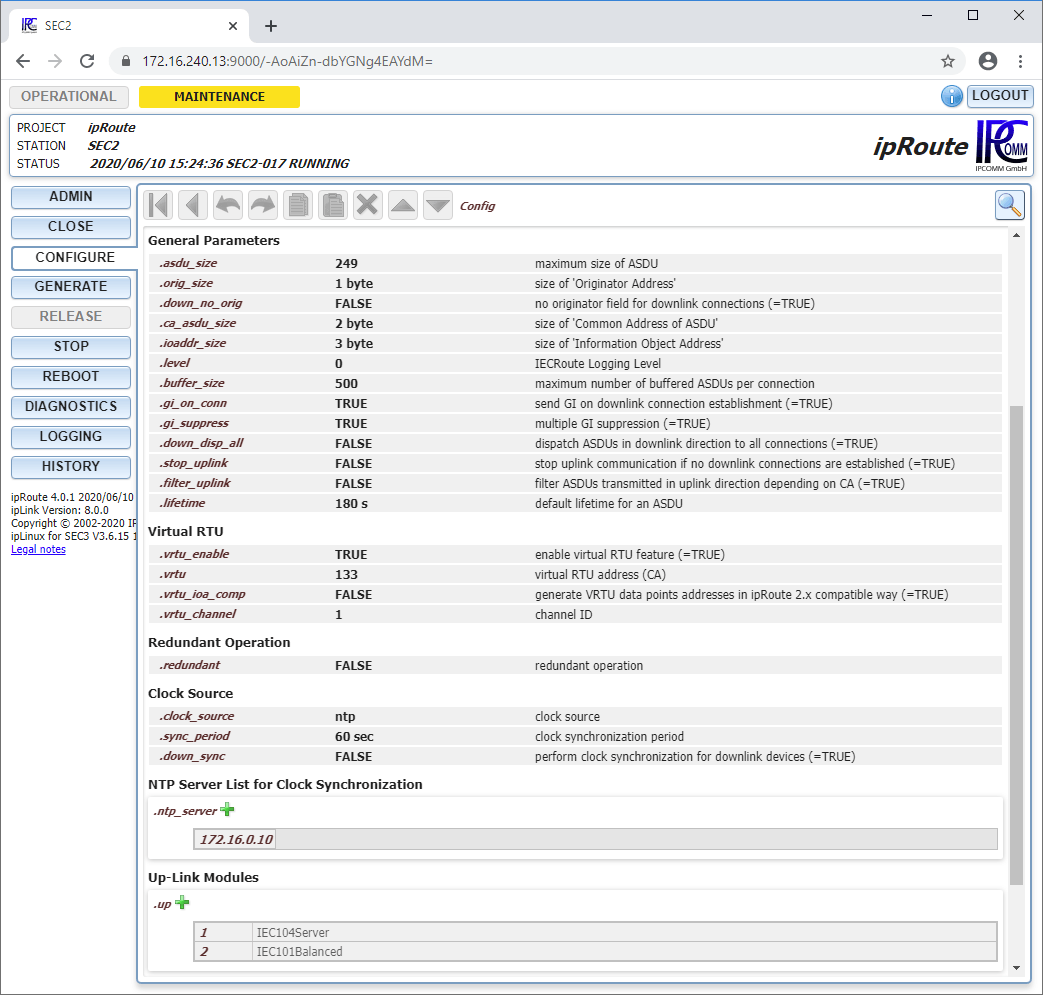
This is the configuration page of the IEC104Server module. In addition to general IEC 870-5-104 parameters, the client IP addresses can be configured here enabling the clients to communicate with ipRoute.
This is the configuration page for the IEC101Balanced module.
-
The diagnostic display offers a quick and detailed overview of the communication state on all configured connections.
The DIAGNOSTICS button in the main menu provides access to diagnostic information. The most important information is provided subdivided and in plain text with time stamps. Colored highlights indicate whether a state is OK or not.
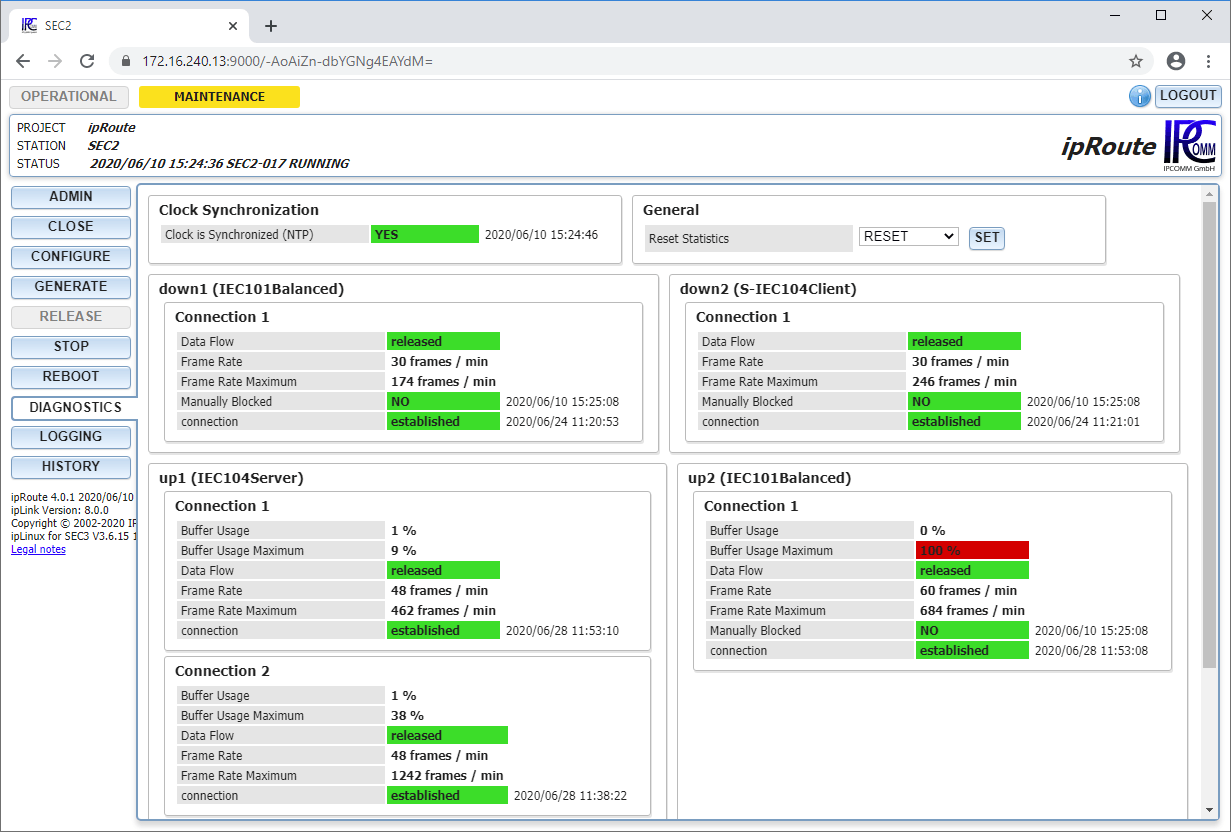
The relevant information is shown for each connection separately. In addition to the information on the communication state of the link and transport layers, statistical data is given, including the number of ASDUs transmitted per minute on a specified connection. For uplink connections, the buffer state is displayed to facilitate fast detection of communication bottlenecks.
-
With all communication applications, it is always essential to know which data is transmitted via a protocol and how the data is converted from one protocol to another. And it is even more important when problems occur with transmission. ipRoute features logging and archiving functions for all data traffic.
ipRoute allows you to keep track of the system state and information flow inside the converter by recording and archiving all information passing through a module for a given time period. The following data can be recorded:
- All data to/from ipRoute sent and received via the relevant communication module
- System messages, i.e. connection abortion, communication error messages etc.
- Configuration and software error messages
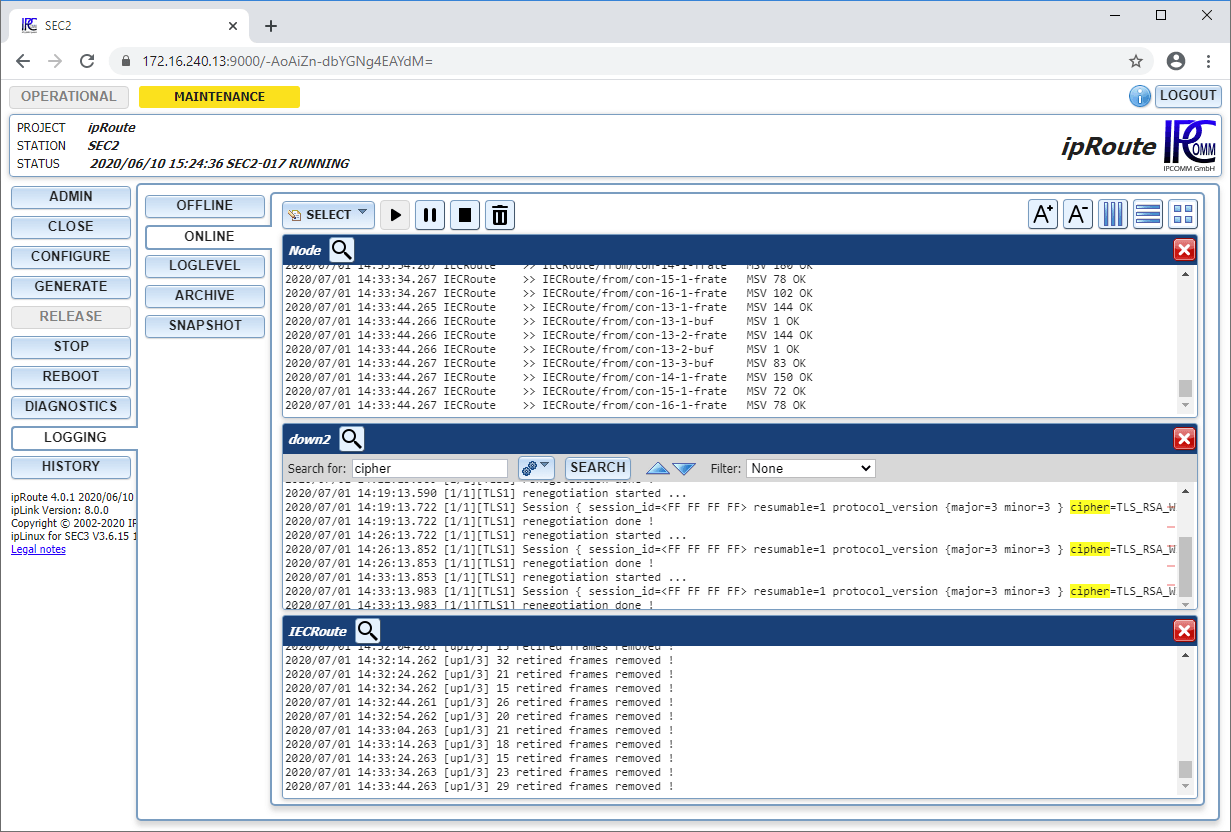
The range of data recorded is defined by the logging level. This can be changed dynamically (at runtime) or statically (in the configuration) for each module.
The logging level defines the representation format for the sent or received information. Data can be represented either in hexadecimal code or in decoded, symbolic form or both. This example shows the content of a logfile generated from the IEC104 server module.
2020/07/06 11:25:00.013 [2/1] connection established with 172.16.240.13:41587
(2): >> 00.014 [2/1] LEN=4 STARTDT ACT
(2): << 00.015 [2/1] STARTDT CON
(2): >> 00.019 [2/1] LEN=14 I-FRAME NS=0 NR=0 DATA=<64 01 06 00 FF FF 00 00 00 14>
2020/07/06 11:25:00.020 [1/1] path connected !
2020/07/06 11:25:00.020 [1/1] connection established with 172.16.240.11:42488
(2): >> 00.021 [1/1] LEN=4 STARTDT ACT
(2): << 00.021 [1/1] STARTDT CON
(2): >> 00.026 [1/1] LEN=14 I-FRAME NS=0 NR=0 DATA=<64 01 06 00 FF FF 00 00 00 14>
(2): << 00.031 [2/1] I-FRAME NS=0 NR=1 DATA=<1E 01 03 00 85 00 B6 58 33 01 48 D7 18 8B 46 07 14>
(2): << 00.031 [2/1] I-FRAME NS=1 NR=1 DATA=<1E 01 03 00 85 00 50 CD 68 01 BA DB 18 8B 46 07 14>
(2): << 00.031 [2/1] I-FRAME NS=2 NR=1 DATA=<1E 01 03 00 85 00 A5 F6 AF 01 FF DB 18 8B 46 07 14>
(2): << 00.031 [2/1] I-FRAME NS=3 NR=1 DATA=<1E 04 03 00 02 00 6A 00 00 01 95 8B 18 8B 26 07 14 6B 00 00 01 95 8B 18 8B 26 07 14 6C 00 00 01 96 8B 18 8B 26 07 14 6D 00 00 01 96 8B 18 8B 26 07 14>
(2): << 00.032 [2/1] I-FRAME NS=4 NR=1 DATA=<1E 02 03 00 02 00 68 00 00 01 63 93 18 8B 26 07 14 69 00 00 01 63 93 18 8B 26 07 14>
(2): << 00.032 [2/1] I-FRAME NS=5 NR=1 DATA=<1F 01 03 00 02 00 72 00 00 02 37 9B 18 8B 26 07 14>
(2): << 00.032 [2/1] I-FRAME NS=6 NR=1 DATA=<1E 03 03 00 02 00 6D 00 00 00 1C 9F 18 8B 26 07 14 6C 00 00 00 EA A6 18 8B 26 07 14 6D 00 00 01 EB A6 18 8B 26 07 14>
(2): << 00.032 [2/1] I-FRAME NS=7 NR=1 DATA=<25 01 03 00 02 00 9C 00 00 C9 DD 00 00 0A 00 00 80 00 00 00 00>
(2): << 00.032 [2/1] I-FRAME NS=8 NR=1 DATA=<1F 05 03 00 02 00 72 00 00 01 A5 B2 18 8B 26 07 14 74 00 00 02 8E B6 18 8B 26 07 14 75 00 00 02 8F B6 18 8B 26 07 14 73 00 00 01 45 C2 18 8B 26 07 14 74 00 00 01 17 CA 18 8B 26 07 14>
(2): << 00.032 [2/1] I-FRAME NS=9 NR=1 DATA=<25 06 03 00 02 00 97 00 00 B2 DD 00 00 13 00 00 80 00 00 00 00 98 00 00 33 DE 00 00 14 00 00 80 00 00 00 00 99 00 00 22 DE 00 00 03 00 00 80 00 00 00 00 9A 00 00 AA DE 00 00 0B 00 00 80 00 00 00 00 9B 00 00 5F DE 00 00 00 00 00 80 00 00 00 00 9C 00 00 CA DD 00 00 0B 00 00 80 00 00 00 00>
(2): << 00.032 [2/1] I-FRAME NS=10 NR=1 DATA=<1E 01 03 00 02 00 6D 00 00 00 E3 D1 18 8B 26 07 14>
(2): << 00.033 [2/1] I-FRAME NS=11 NR=1 DATA=<1F 01 03 00 02 00 76 00 00 02 CA D5 18 8B 26 07 14>
(2): >> 00.035 [2/1] LEN=4 S-FRAME NR=12
(2): << 00.036 [2/1] I-FRAME NS=12 NR=1 DATA=<64 01 07 00 85 00 00 00 00 14>
(2): << 00.036 [2/1] I-FRAME NS=13 NR=1 DATA=<01 08 14 00 85 00 B5 01 1B C0 B6 58 33 01 5B 0A 64 C0 50 CD 68 01 FD 41 76 C0 FE 41 76 C0 FF 41 76 C0 A5 F6 AF 01>
Data is stored directly in the easy to read ASCII format. Logfiles can be displayed, searched, or downloaded for offline diagnosis via the web interface.
All recorded data is archived cyclically, enabling you to keep track of communication over a period of days or even weeks (depending on the data volume).
-
These requirements ensure successful integration of IEC 870-5-101/104 systems:
- ASDU addresses used must be unambiguous and unique for all connections, multiple assignations are not allowed.
- ASDU types used for the control station or substations must be compatible.
This can be ensured by matching interoperability lists. ipRoute supports
the conversion of following ASDU types (the behaviour is configurable):
- monitoring direction ASDU types with long time stamp (M_SP_TB_1, M_DP_TB_1, etc.) into ASDU types with short time stamp (M_SP_TA_1, M_DP_TA_1, etc.) and vice versa.
- control direction ASDU types with long time stamp (C_SC_TA_1, C_DC_TA_1, etc.) into ASDU types without timestamp (C_SC_NA_1, C_DC_NA_1, etc.) and vice versa. The corresponding confirmations are also converted.
- the test command with long time stamp C_TS_TA_1 can be converted into a test command without timestamp C_TS_NA_1.
We would be more than pleased to offer our support to assist you in checking these requirements.
-
To meet even increased security requirements, ipRoute is fully capable of redundancy in combination with a second device.
- Line redundancy
- Device redundancy (hot-standby, parallel operation)
With redundant protocol converters, reliability can be ensured, based on the "hot standby" principle. At any one time only one device assumes the active role, while the passive device monitors the active one and takes the initiative if it fails.
This minimizes downtime due to maintenance work or component and interface outages, for example.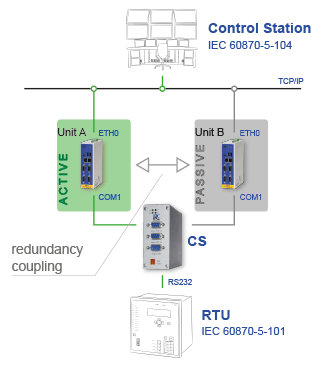
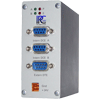
The redundancy coupling can be realized via Ethernet as well as over serial connections. If separate serial communication connections must be connected to both redundant devices, the CS channel switch will be applied.
-
Iran Gas Project, Iran
Products: ipRoute
BLS Lötschbergtunnel II, Switzerland
Products: ipConv ipRoute
Protocol Stacks: IEC 60870-5-104, Master IEC 60870-5-104, Slave SNMP, Client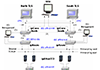
BLS AlpTransit - Lötschbergtunnel, Switzerland
Products: ipConv ipRoute
Protocol Stacks: OPC DA 3.0, Server IEC 60870-5-104, Slave IEC 60870-5-101, Master IEC 60870-5-104, Master SNMP, Client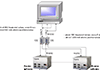
E.ON Interconnection Karlsfeld/Lehrte, Germany
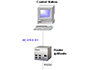
Products: ipRoute
Singapur, Singapore
Products: ipRoute
Product Wizard 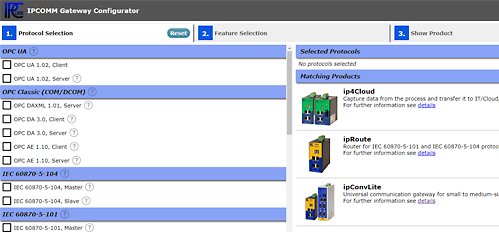
- To the Gateway in a snap
- Get in touch!
- Customer support
+49 911 18 07 91 - 0
support@ipcomm.de
Product consulting
+49 911 18 07 91 - 0
info@ipcomm.de