ipConvUniversal protocol converter for highest degree of flexibility
ipConv Architecture
ipConv Use Cases
Configuration
Diagnostics
Logging
Simulation
Further information
Implemented Protocol Stacks
Hardware
References
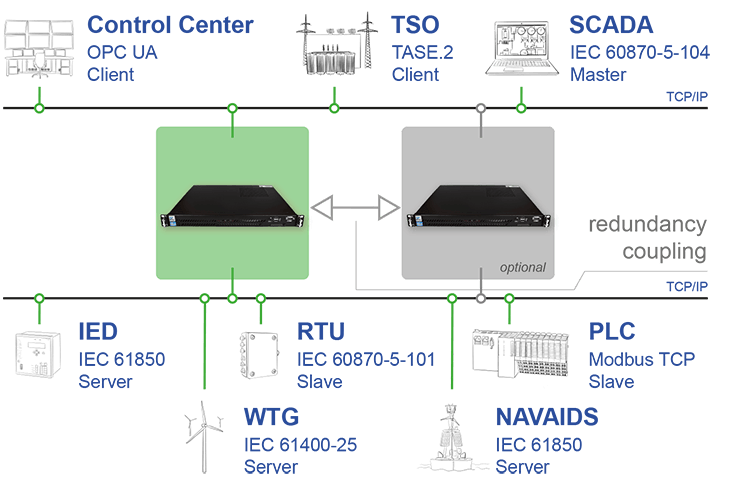
ipConv is a universal protocol conversion solution for coupling a
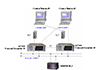
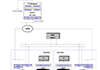
wide range of different protocols. Its architecture (ipConv Architecture)
ensures maximum independence between the different protocols used. As protocols
are kept completely separate with respect to data transmission methods and
information representation, the solution greatly facilitates system planning and commissioning. For instance, the different protocols can be tested separately.
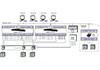
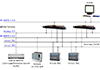
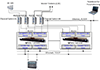
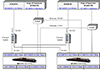
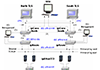
These ipConv Use Cases show the wide range of applications for ipConv.
ipConv provides the foundation for specialized products such as ipConvLite, ipConvPS
and ipConvOPC. ipRoute and ipRouteDialup too are based on
ipConv. The universal solution ipConv has been designed for cases where
special project-specific requirements exceed the capabilities of these
specialized products.
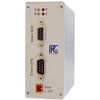
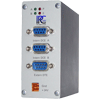
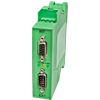
ipConv is available as a software package or together with the
appropriate hardware. The MEC system supports decentralized applications, IPC191V3 19" 1U
has been designed for centralized use, IPC191V3WIN 19" 1U offers maximum flexibility.
For customers who already have the necessary hardware, we offer ipConv as a
pure software solution. ipConv runs in the Windows NT/2000/XP/2003 and
various Linux environments.
Configuration
System configuration is completely executed in a web browser.
No other special configuration tools are required, a normal notebook with a
network interface card and web browser are all that is needed.
 |
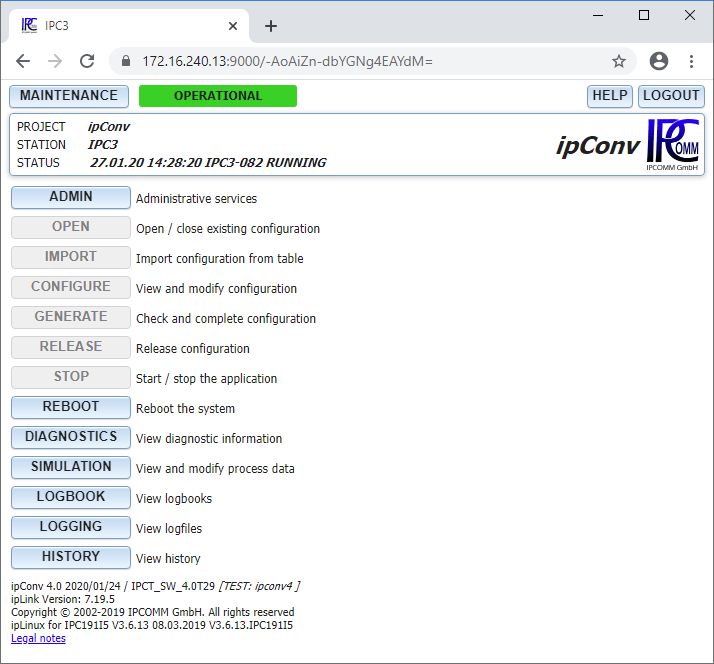
The first page provides access to all relevant functions of
ipConv, showing the overall system status at a glance:
- Backup and restore the complete configuration
- Software upgrade
- Edit configuration parameters
- Import configuration information from tables
- Start up and stop the system
- Access diagnostic data (see also diagnostics)
- Access process image and data simulation (see also simulation)
- Access current logfiles (see also logging)
|
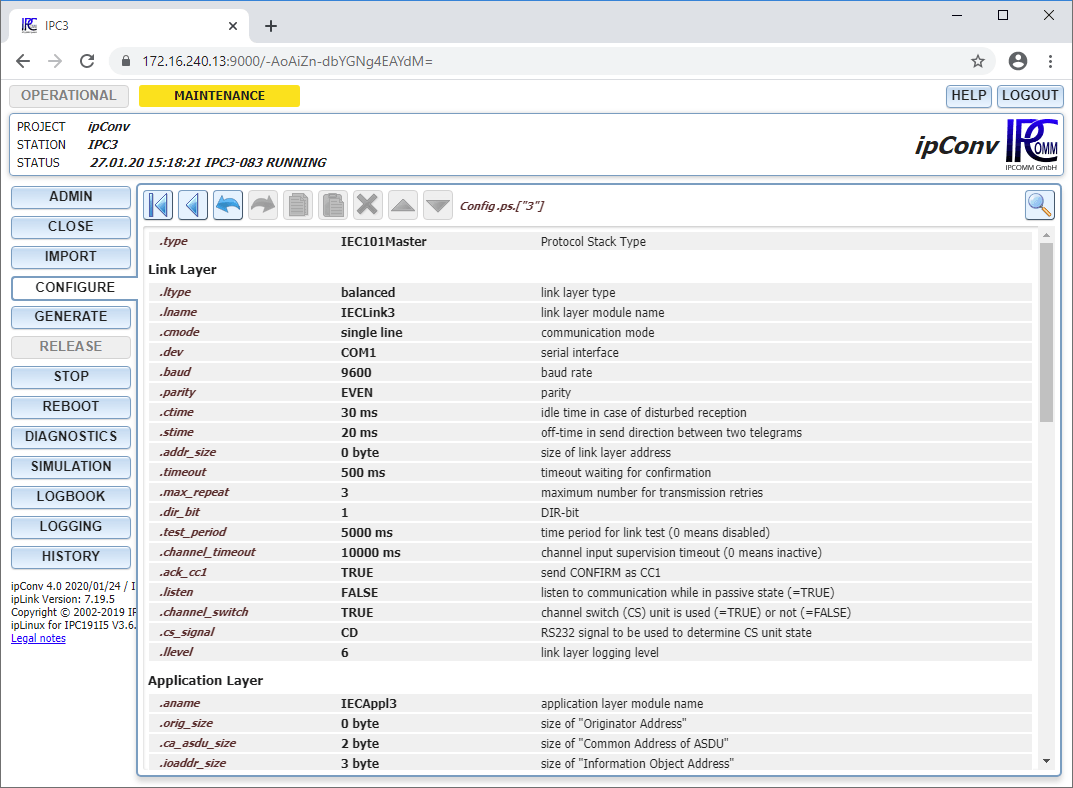
| This is an example configuration of
a protocol stack (here IEC 60870-5-101, Master). All parameters are
shown with their configured values, relevant measurement units and short
descriptions.
A parameter value can be changed by clicking on the parameter name. A
detailed description, if relevant, also pops up. The entered value is
checked if it falls in the permissible value range or a drop down list
offers a pre-selection of permissible values.
Only relevant parameters are displayed, for instance if the link layer
type is set to "unbalanced", only the corresponding parameters are shown.
|
|
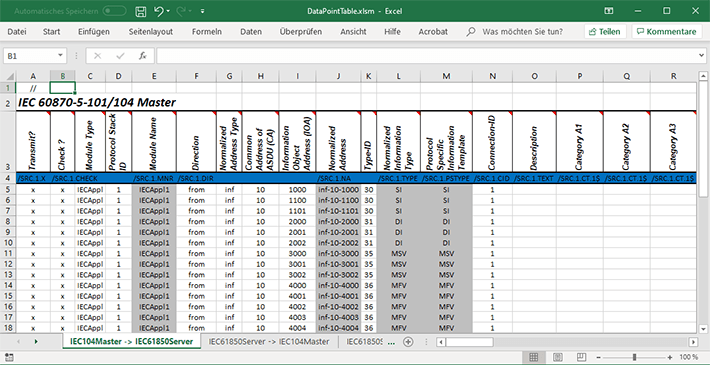
| ipConv enables fast and
efficient processing of great volumes of data points by allowing data import
from tables. These tables are based on templates and may be processed with
various spreadsheet programs such as Microsoft Excel. The extended use of
formulae minimizes the data volume, substantially reducing the number of errors. |
 |
Diagnostics
With protocol converters it is essential that the state of
all interfaces can be determined at a glance. This is all the more important, if
the available personnel at the facility does not have particular knowledge of the
device.
 |
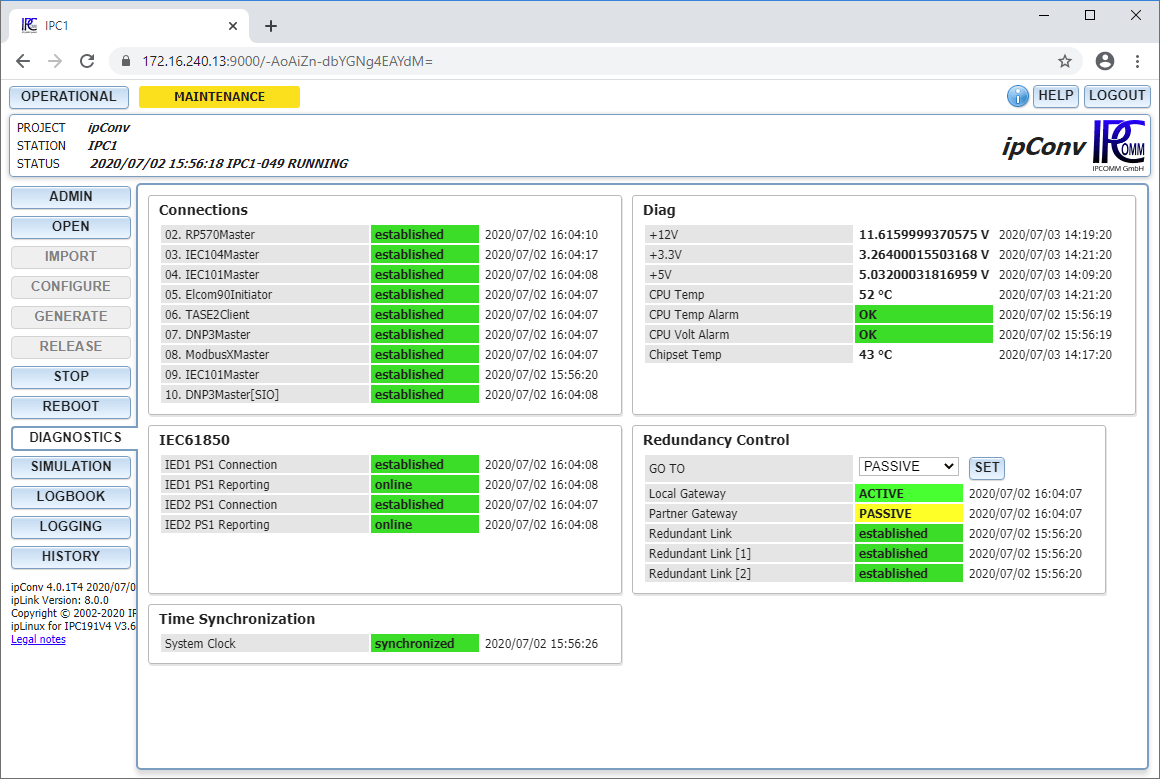
The diagnostic data can be accessed with the "Diagnostics"
button on the first page. The most important information is given in plain
text with the time in an easy to read way. Colored highlights indicate an
ok / not ok state.
You can configure the type of information, descriptions and colors.
Plain messages, measured values, and also control commands such as a
button for initiating a general poll can be shown.
|
Logging
With all communication applications, it is always essential
to know which data are transmitted via the protocol and how the data is
converted from one protocol to another. And it is even more important when
problems occur with transmission. ipConv features logging and archiving
functions for all data traffic.
 |
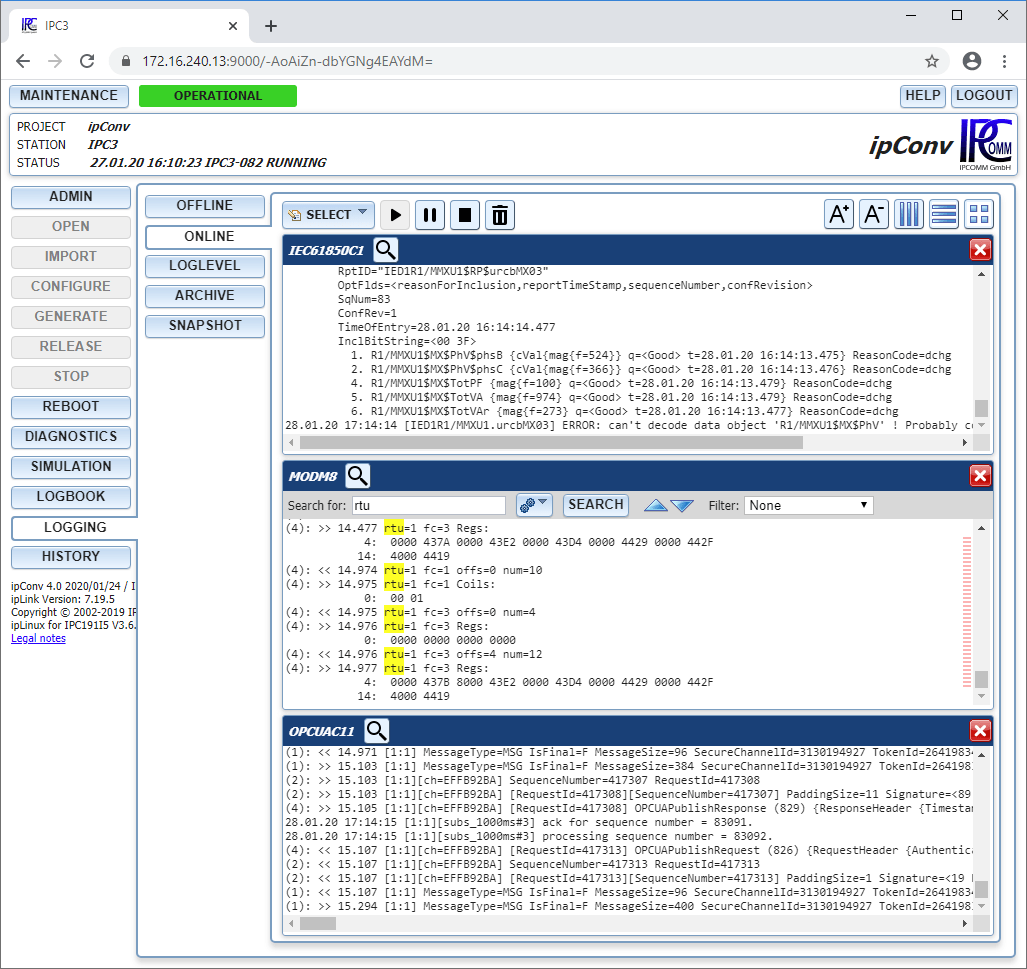
ipConv allows you to keep track of the system state and
information flow inside the converter by recording and archiving all
information passing through a module for a given time period. This data
can be recorded:
- All data to/from ipConv sent and received via the relevant
communication module
- System messages, i.e. connection break-off,
communication error messages etc.
- Configuration and software error messages
The range of data recorded is defined by the logging level. This can be
changed dynamically (at runtime) or statically (in the configuration) for
each module.
|
The logging level defines the
representation format for the sent or received information. Data can be
represented either in hexadecimal code or in decoded, symbolic form or both.
This example shows the content of a logfile generated from an
IEC 60870-5-101, Slave protocol stack.Data is stored directly in the easy to read ASCII format. Logfiles can be
downloaded via a web interface for offline diagnosis. Or you can keep
track of the communication online via the TCP/IP "telnet" service.
All recorded data is archived cyclically, enabling you to keep track of
communication over a period of days or even weeks (depending on the data
volume).
|
19.01.99 10:24:01 IECAppl CA=286 connected !
(2): << M_EI_NA_1 SQ=0 NUM=1 T=0 P/N=0 CT=<init> CA=<286>
0: COI=<00>
(2): >> C_IC_NA_1 SQ=0 NUM=1 T=0 P/N=0 CT=<act> CA=<65535
0: QOI=<14>
(2): << C_IC_NA_1 SQ=0 NUM=1 T=0 P/N=0 CT=<actcon> CA=<28
0: QOI=<14>
(2): << M_SP_NA_1 SQ=0 NUM=61 T=0 P/N=0 CT=<inrogen> CA=<
131584: SIQ=<OFF Q=<>>
459272: SIQ=<OFF Q=<>>
459273: SIQ=<OFF Q=<>>
(2): << M_SP_NA_1 SQ=0 NUM=61 T=0 P/N=0 CT=<inrogen> CA=<
524800: SIQ=<OFF Q=<>>
852489: SIQ=<OFF Q=<>>
(2): << M_SP_NA_1 SQ=0 NUM=61 T=0 P/N=0 CT=<inrogen> CA=<
3015175: SIQ=<OFF Q=<>>
3473923: SIQ=<OFF Q=<IV >>
(2): << M_DP_NA_1 SQ=0 NUM=20 T=0 P/N=0 CT=<inrogen> CA=<
3014916: DIQ=<DIST Q=<>>
3539200: DIQ=<DIST Q=<IV >>
3539204: DIQ=<DIST Q=<IV >>
(2): << M_ME_NB_1 SQ=0 NUM=39 T=0 P/N=0 CT=<inrogen> CA=<
131840: SVA=<0> QDS=<Q=<>>
918784: SVA=<0> QDS=<Q=<>>
983808: SVA=<0> QDS=<Q=<>>
(2): << C_IC_NA_1 SQ=0 NUM=1 T=0 P/N=0 CT=<actterm> CA=<2
0: QOI=<14>
(2): << M_SP_TA_1 SQ=0 NUM=1 T=0 P/N=0 CT=<spon> CA=<286>
1049088: SIQ=<ON Q=<>> BT3=<IV>
|
Simulation
ipConv is capable of representing and simulating all
signals in a simple project-specific form, a functionality which is particularly
useful for signal tests during commissioning. This greatly facilitates tracking down of wiring and configuration errors.
 |
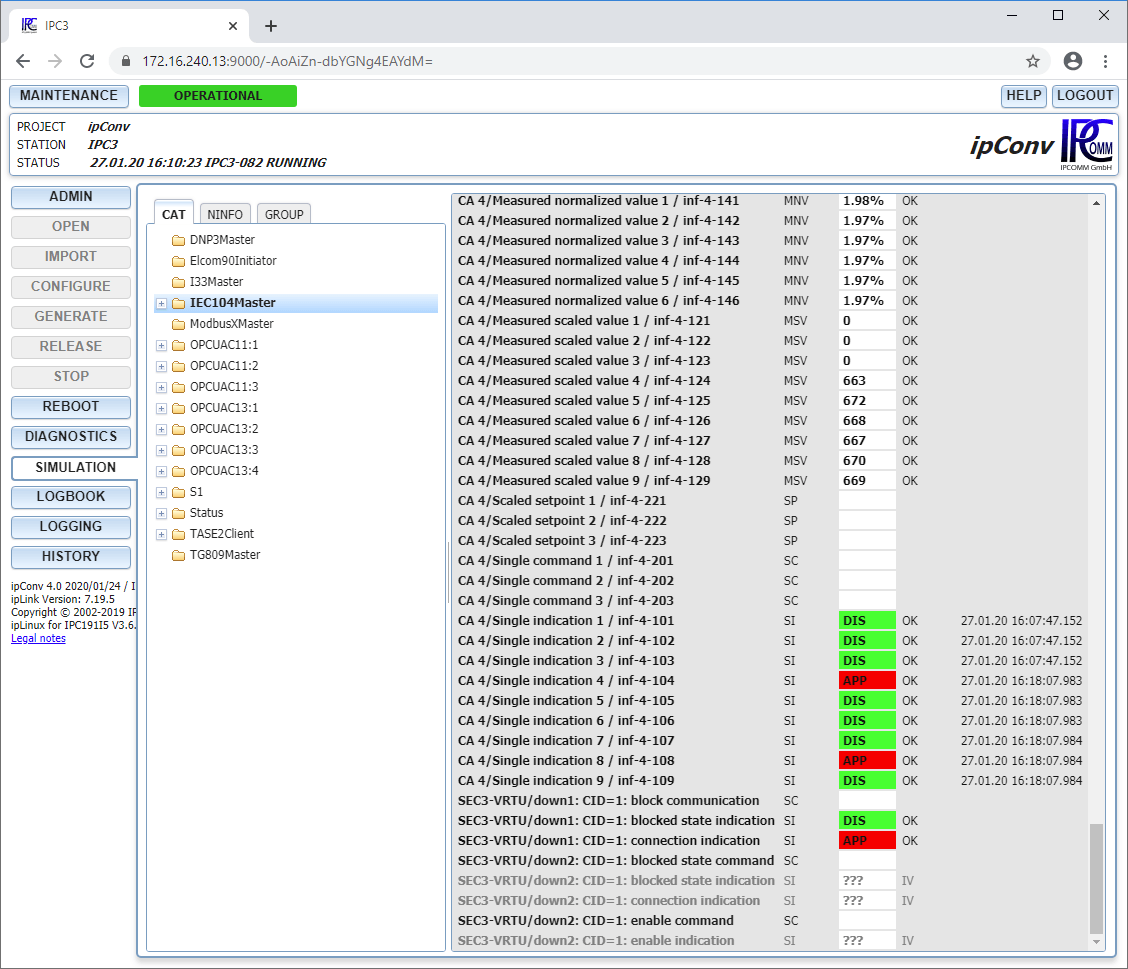
All data points can be shown in a hierarchical form defined
by the configuration. Names, nesting depth and signal range can be freely
chosen and configured for each project. This enables personnel not familiar
with ipConv and the relevant protocol to access information.
The signal name, information type, value, quality identifier and time stamp
(if available) are shown.At the same time, data
and commands can be simulated directly in the web browser. This
functionality is very useful, if only one communication partner is connected
(control station or RTU). Pretests can thus eliminate most configuration
errors, even if the complete communication path is not available. |
A command-oriented interactive tool enables users to access all information
pertaining to protocol-specific addressing. This expert access mode is always
possible and requires no explicit configuring.
Further information
| Booklet |
 |
Implemented Protocol Stacks
| ADLP-80, Slave | ANSI X3.28, Master |
| Conitel-2020, Slave | CDC Type II, Slave |
| CDC Type I, Slave | DNP V3.00, Master |
| DNP V3.00, Slave | Fuji, Slave |
| GI74, Slave | Dr. Graband & Partner GmbH, Master |
| HN Z 66 S 11/15, T63, Master | HN Z 66 S 11/15, T63, Slave |
| HITACHI HC4300, Master | HITACHI HC4300, Slave |
| Harris-5000/6000, Slave | Indactic 21, Master |
| Indactic 23, Master | Indactic 23, Slave |
| Indactic 33/41, 2033, Master | Indactic 33/41, 2033, Slave |
| IEC 60870-5-101, Dialup Master | IEC 60870-5-101, Master |
| IEC 60870-5-101, Slave | IEC 60870-5-103, Master |
| IEC 60870-5-103, Slave | IEC 60870-5-104, Master |
| IEC 60870-5-104, Slave | IEC 61850, Client |
| IEC 61850, Server | Modbus, Master |
| Modbus, Slave | Modbus TCP/IP, Master |
| Modbus TCP/IP, Slave | OPC AE 1.10 Client |
| OPC AE 1.10 Server | OPC DA 3.0 Client |
| OPC DAXML 1.01 Server | OPC DA 3.0 Server |
| Profibus-DP, Slave (ORSI) | P6008, Master |
| P6008, Slave | Profibus-DPV0, Master |
| Profibus-DPV0, Slave | Profibus-DPV0, Slave (Extended Version) |
| SISA, QD2 Slave | RP 570, Slave |
| Recon, Slave | Sinaut 8FW (PCM), Slave |
| SC1801, Slave | SEAB 1F, Master |
| SEAB 1F, Slave | SNMP, Client |
| Simadyn-D, Master | Sinaut ST1, Slave |
| TASE.2, Client | TASE.2, Server |
| Simatic TDC, Master | Telegyr 065, Master |
| Telegyr 102, Master | Telegyr 809, Master |
| Telegyr 809, Slave | Tracec 32, 62, 92, 92P, 122, 130 & 142 Master |
| XMAT, Master |
Hardware
 | SEC2 | Compact controller mountable on a DIN-rail with a very attractive price Details...
|  |
 | HECPS | Compact controller mountable on a DIN-rail with Profibus-DP, slave interface Details...
|  |
 | MEC | Compact and powerful controller mountable on a DIN-rail specially suited for decentral applications Details...
|  |
 | IPC191V3 19" 1U | The robust and flexible industrial PC in ultra flat design. This solution offers a combination of a high degree of flexibility and performance with a relatively low price. Details...
|  |
 | IPC191V3WIN 19" 1U | The robust and flexible industrial PC in ultra flat design for Microsoft Windows operating system. This solution offers a combination of a high degree of flexibility and performance with a relatively low price. Details...
|  |
 | IPC191I5 19" 1U | High end device with highest standards of performance Details...
|  |
 | TCT | Telecontrol converter for pulse-code and pulse-length modulated protocols Details...
|  |
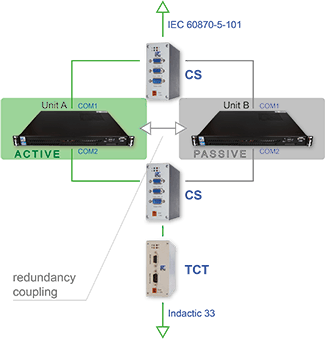
 | CS | Channel switch for coupling of two redundant devices to one communication line Details...
|  |
 | ipEther232 - The RS232/Ethernet Converter | By means of the RS232/Ethernet Converter ipEther232 devices with RS232 interfaces can be controlled via TCP/IP (Ethernet). Details...
|  |
References
 | Ballia-Bhiwadi, India Details...
| India | ipConv | IEC 60870-5-101, Master / IEC 60870-5-101, Slave / Simatic TDC, Master / |
 | Storebælt, Denmark Details...
| Denmark | ipConv | IEC 60870-5-104, Master / IEC 60870-5-104, Slave / Simatic TDC, Master / Modbus TCP/IP, Master / |
 | DEWA DCC Distribution Control Center Details...
| United Arab Emirates | ipConv ipConvLite | IEC 60870-5-101, Slave / IEC 60870-5-101, Master / IEC 60870-5-104, Slave / XMAT, Master / |
 | DEWA TCC Transmission Control Center Details...
| United Arab Emirates | ipConv ipConvLite | IEC 60870-5-101, Slave / IEC 60870-5-101, Master / IEC 60870-5-104, Slave / XMAT, Master / |
 | Project CFE Details...
| Mexico | ipConv | Conitel-2020, Slave / DNP V3.00, Slave / DNP V3.00, Master / Harris-5000/6000, Slave / Recon, Slave / Indactic 33/41, 2033, Slave / Fuji, Slave / XMAT, Master / |
 | ELIA Details...
| Belgium | ipConv | Modbus TCP/IP, Master / IEC 60870-5-104, Slave / Telegyr 065, Master / Telegyr 102, Master / Telegyr 809, Master / Tracec 32, 62, 92, 92P, 122, 130 & 142 Master / |
 | SEC SVC, Saudi Arabia Details...
| Saudi Arabia | ipConv | IEC 60870-5-101, Slave / IEC 60870-5-104, Slave / IEC 61850, Client / Simatic TDC, Master / |
 | I-SHAPE Details...
| Thailand | ipConv | IEC 60870-5-101, Slave / XMAT, Master / |
 | BLS AlpTransit - Lötschbergtunnel Details...
| Switzerland | ipConv ipRoute | OPC DA 3.0 Server / IEC 60870-5-104, Slave / IEC 60870-5-101, Master / IEC 60870-5-104, Master / SNMP, Client / |
 | BASSLINK HVDC Victoria / Tasmania Details...
| Australia | ipConv | DNP V3.00, Slave / Simatic TDC, Master / |
|